English
 Arabic
 French
 Spanish
 Portuguese
 Deutsch
 Turkish
 Dutch
 Italiano
 Russian
 Romaian
 Portuguese (Brazil)
 Greek
Shoulder Pain Treatment in Plano - Expert Care by Board-Certified Pain Specialists
Health |
2026-11-09 16:33:13
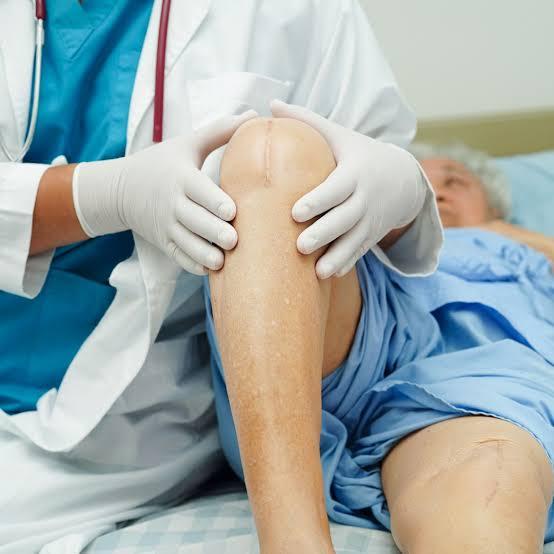
Hip and knee joints play an essential role in everyday movement. They help people walk, climb stairs, sit, stand, bend, and participate in physical activities. However, conditions such as osteoarthritis, joint injuries, and age-related degeneration can gradually affect their function. When pain and stiffness become persistent, even simple daily activities may become challenging.
For some patients, lifestyle changes, medication, physiotherapy, and other non-surgical treatments provide sufficient relief. For others with significant joint damage, replacement surgery may be considered to improve mobility and reduce pain.
Understanding the available treatment options can help patients make informed decisions about their joint health and long-term mobility.
The hip and knee are two of the body's major weight-bearing joints. Although they perform different movements, both are important for maintaining balance, stability, and mobility.
The hip is a ball-and-socket joint that connects the thigh bone to the pelvis. It allows movement in several directions and supports body weight during walking and standing.
The knee is a complex joint involving the thigh bone, shinbone, kneecap, cartilage, ligaments, and surrounding soft tissues. It supports movement while providing stability during everyday activities.
Several conditions can affect these joints, including:
Osteoarthritis and cartilage degeneration.
Previous fractures or traumatic injuries.
Ligament and meniscus injuries.
Inflammatory joint conditions.
Joint deformities and alignment problems.
Long-term wear and tear.
The symptoms and treatment requirements vary depending on the underlying condition and its severity.
Joint conditions may develop gradually or appear following an injury. Recognising persistent symptoms can help patients understand when professional assessment may be necessary.
Common symptoms include:
Joint pain: Discomfort may occur during walking, standing, bending, or other everyday movements. Some people also experience pain while resting.
Stiffness: Reduced flexibility can make it difficult to bend the knee, rotate the hip, or get up after sitting for an extended period.
Swelling: Inflammation around the joint may cause swelling, tenderness, and discomfort.
Reduced mobility: Patients may find it increasingly difficult to climb stairs, walk longer distances, or participate in recreational activities.
Changes in walking: Hip or knee pain may affect walking patterns and cause patients to favour one side of the body.
Persistent or worsening symptoms should be assessed by a qualified healthcare professional to establish their cause.
Hip replacement surgery, also known as hip arthroplasty, is a procedure in which damaged parts of the hip joint are replaced with artificial components.
It is commonly considered for patients with advanced hip osteoarthritis or other conditions that cause substantial joint damage and persistent symptoms.
During a total hip replacement, the damaged ball at the top of the thigh bone is replaced with an artificial component. The damaged socket is also replaced with an artificial cup. The components are designed to work together and allow smoother joint movement.
The specific surgical approach and implant selection depend on the patient's anatomy, medical history, activity requirements, and the surgeon's assessment.
Hip replacement may be discussed when:
Hip pain significantly affects everyday activities.
Joint stiffness limits normal movement.
Imaging shows substantial joint damage.
Non-surgical treatments have not provided adequate relief.
Pain and reduced mobility are affecting quality of life.
Surgery is not automatically required because an X-ray shows arthritis. The decision should consider symptoms, examination findings, general health, and the patient's preferences.
Knee replacement surgery is a procedure used to treat significant damage within the knee joint. It may be recommended for people with advanced osteoarthritis or certain other conditions when pain and functional limitations remain substantial despite appropriate non-surgical treatment.
In a total knee replacement, the damaged joint surfaces are removed and replaced with artificial components. These components are designed to restore the joint's structure and allow movement.
The surgeon considers factors such as the degree of cartilage damage, knee alignment, ligament condition, and overall joint function before recommending surgery.
There are different types of knee replacement procedures.
Total knee replacement: This procedure replaces the damaged joint surfaces across the main compartments of the knee. It may be appropriate when arthritis affects multiple areas of the joint.
Partial knee replacement: This procedure replaces only the damaged compartment of the knee while preserving suitable healthy structures. It may be considered for selected patients whose arthritis is limited to one compartment and whose remaining joint structures meet the necessary criteria.
The choice between total and partial replacement requires a detailed assessment. Not every patient is suitable for a partial procedure.
Surgery is not always the first treatment option for hip or knee pain. Depending on the diagnosis and severity of the condition, a clinician may recommend conservative treatment.
Physiotherapy can help improve muscle strength, flexibility, balance, and joint movement. Strengthening the muscles around the hip and knee may provide better support during everyday activities.
Exercise programmes should be adapted to the patient's condition and physical ability. Low-impact activities may be more comfortable for people experiencing joint pain.
Suitable pain-relief medication may help manage symptoms. The choice depends on the patient's medical history and other health considerations.
Medication can reduce discomfort, but it does not necessarily reverse structural joint damage. Patients should discuss the risks and benefits of medication with their healthcare professional.
Maintaining a healthy body weight can help reduce pressure on weight-bearing joints. Patients may also benefit from adjusting activities that repeatedly aggravate symptoms.
Swimming, gentle cycling, and other suitable low-impact activities may help maintain fitness without placing excessive stress on painful joints.
Selected patients may be considered for injections to manage particular joint conditions. The appropriate treatment depends on the diagnosis, expected benefits, and potential risks.
For patients with knee osteoarthritis, certain injectable options may be discussed as part of a broader treatment plan. Their suitability and effectiveness vary, and they are not replacements for surgery when significant joint damage requires operative treatment.
Preparation is an important part of the surgical process. Before an operation, the patient usually undergoes a medical assessment to review general health, existing conditions, medication, and fitness for surgery.
The surgeon will explain the proposed procedure, expected benefits, potential complications, and available alternatives.
Patients may also receive advice about:
Improving strength and mobility before surgery.
Reviewing existing medication.
Preparing the home for the recovery period.
Arranging assistance with daily activities.
Understanding rehabilitation and follow-up appointments.
Being well informed can help patients prepare for the practical and physical aspects of recovery.
Recovery varies according to the procedure, the patient's health, and individual progress.
Following surgery, patients generally begin rehabilitation with guidance from the healthcare team. Early movement and suitable exercises are important parts of recovery, although the pace must be adjusted to the individual.
Recovery may involve:
Initial rehabilitation: Learning safe movement techniques and beginning appropriate exercises.
Mobility improvement: Gradually increasing walking and everyday activity.
Strength development: Working on the muscles that support the replaced joint.
Follow-up care: Attending appointments to monitor progress and address concerns.
Return to routine: Resuming suitable daily activities according to medical advice.
Patients should follow their rehabilitation instructions and avoid increasing activity too quickly. New or worsening pain, wound problems, fever, or significant swelling should be reported to the healthcare team.
Selecting an orthopaedic specialist is an important step when considering hip or knee treatment. Patients should look for a clinician with relevant experience in joint conditions and replacement procedures.
A consultation should provide an opportunity to discuss the diagnosis, treatment alternatives, expected outcomes, and possible complications.
Mr Anshul Sobti is a Consultant Trauma and Orthopaedic Surgeon whose clinical interests include adult hip and knee surgery, joint replacement, sports injuries, and paediatric orthopaedics. Patients can explore the services and treatment information available through hip & knee replacement to learn more about orthopaedic care.
Hip and knee problems can affect mobility, independence, and quality of life. While non-surgical treatments may help many patients manage symptoms, joint replacement can be an option for selected individuals with advanced joint damage and persistent functional difficulties.
Hip replacement, total knee replacement, and partial knee replacement each have specific indications. The most appropriate approach depends on the patient's diagnosis, symptoms, joint condition, and overall health.
A detailed consultation with an orthopaedic specialist can help patients understand their options and make informed decisions about treatment, surgery, and rehabilitation.