English
 Arabic
 French
 Spanish
 Portuguese
 Deutsch
 Turkish
 Dutch
 Italiano
 Russian
 Romaian
 Portuguese (Brazil)
 Greek
Rising Biotechnology Demand Accelerates pH Sensor Market Growth Across Bioprocessing Applications
Networking |
2026-11-19 02:28:29
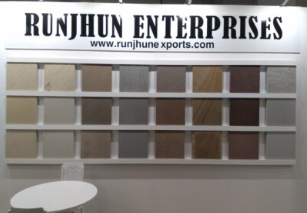
Natural stone has always been appreciated for its beauty, durability, and timeless appeal. With modern architecture increasingly combining natural textures with contemporary designs, stone veneer has become a popular material for residential, commercial, and hospitality projects. It offers the visual character of natural stone while providing versatile design possibilities for different applications.
India is an important destination for natural stone sourcing, offering a variety of stone materials, colours, textures, and finishes. For architects, builders, importers, and interior designers, finding dependable Stone Veneer Suppliers in India can help ensure access to suitable materials for their construction and renovation requirements.
Stone veneer is a decorative stone material used to enhance interior and exterior surfaces. Depending on the product, it can be manufactured from natural stone or engineered materials.
Natural stone veneer is produced by cutting and preparing natural stone into thinner pieces suitable for cladding and decorative applications. It retains the authentic appearance of natural stone while offering additional flexibility in architectural design.
Stone veneer is commonly used for:
Exterior building walls
Interior feature walls
Living room decoration
Fireplace surrounds
Garden and landscape walls
Commercial building facades
Hotel and hospitality interiors
Its natural textures and distinctive appearance make it a preferred choice for projects seeking a sophisticated architectural finish.
India has a well-established natural stone industry with access to different varieties of stone. The country is recognised for its sandstone, limestone, granite, marble, slate, and other architectural materials.
This variety provides international buyers with multiple options for creating distinctive surfaces and designs.
Some important advantages of sourcing from India include:
Wide material selection: Buyers can explore natural stones in different colours, patterns, textures, and finishes.
Architectural versatility: Indian stone products can complement traditional, contemporary, rustic, and minimalist designs.
Export capabilities: India's natural stone sector serves international markets through established supply and export networks.
Customisation opportunities: Depending on the supplier and material, buyers can discuss different sizes, finishes, thicknesses, and product requirements.
Choosing a supplier requires careful evaluation of product quality, business communication, and supply capabilities.
Natural stone products can vary in colour, texture, and surface characteristics. Buyers should examine samples and check whether the material meets the required specifications.
A supplier offering different stone varieties can help buyers select materials according to their architectural preferences and project budgets.
Stone veneer may be available in different sizes, thicknesses, and surface finishes. These details should be confirmed before placing a bulk order.
Natural stone products require suitable packaging to minimise damage during storage and transportation. Buyers should discuss packaging standards and shipping arrangements.
For international purchases, documentation, logistics coordination, and shipment planning are essential considerations.
Stone veneer is suitable for several architectural and decorative applications.
Residential exterior walls: Natural stone finishes can enhance the visual appeal of house exteriors and entrance areas.
Interior feature walls: Stone veneer can create attractive focal points in living rooms, reception areas, and dining spaces.
Commercial buildings: Offices, retail outlets, restaurants, and hotels can use stone veneer to develop distinctive interiors and facades.
Landscape design: Garden walls, boundary walls, outdoor seating areas, and selected landscape structures can benefit from natural stone finishes.
Hospitality projects: Resorts and hotels often incorporate stone textures to create elegant and welcoming environments.
Both stone veneer and traditional stone cladding offer attractive architectural finishes, but their specifications and installation requirements may differ.
Stone veneer generally uses thinner stone pieces, while traditional cladding may involve thicker and heavier stone sections.
The right choice depends on the building structure, intended application, design preferences, installation method, and engineering requirements.
Before selecting a product, architects and contractors should consider the weight of the material, substrate compatibility, fixing system, weather exposure, and maintenance requirements.
Proper maintenance helps preserve the appearance and performance of stone veneer.
Regular cleaning using suitable methods can prevent dust and dirt accumulation. Harsh chemicals and abrasive cleaning materials should be avoided unless recommended for the specific stone.
For exterior installations, periodic inspection can help identify loose sections, damaged joints, or moisture-related concerns.
The use of appropriate sealants should be determined according to the stone type, installation location, and manufacturer's recommendations.
Runjhun Export is a business buyers can explore when searching for Indian natural stone and architectural materials. Natural stone products play an important role in modern construction, landscaping, and interior design, and selecting suitable materials is essential for achieving the desired appearance.
Buyers interested in stone veneer and related natural stone products can discuss their requirements, including stone varieties, colours, finishes, dimensions, quantities, and delivery destinations.
For architects, contractors, importers, and distributors, exploring Indian stone sourcing opportunities can help identify materials that complement different project styles.
Visit Runjhun Export on Google Maps to find its business listing and explore further enquiries.
Stone veneer offers an attractive way to incorporate the natural beauty of stone into modern architectural projects. Its versatility makes it suitable for exterior walls, interior feature surfaces, commercial developments, and landscaping applications.
India provides international buyers with access to a diverse natural stone industry. However, selecting the right supplier requires careful consideration of material quality, dimensions, finishing, packaging, and export capabilities.
By evaluating these factors, buyers can make informed sourcing decisions and choose suitable stone veneer products for their residential, commercial, and architectural requirements.