English
 Arabic
 French
 Spanish
 Portuguese
 Deutsch
 Turkish
 Dutch
Dutch
 Italiano
 Russian
 Romaian
 Portuguese (Brazil)
 Greek
Greek
A Deep-Dive Energy And Utility Analytics Market Analysis of Core Dynamics
Other |
2026-10-05 10:44:38
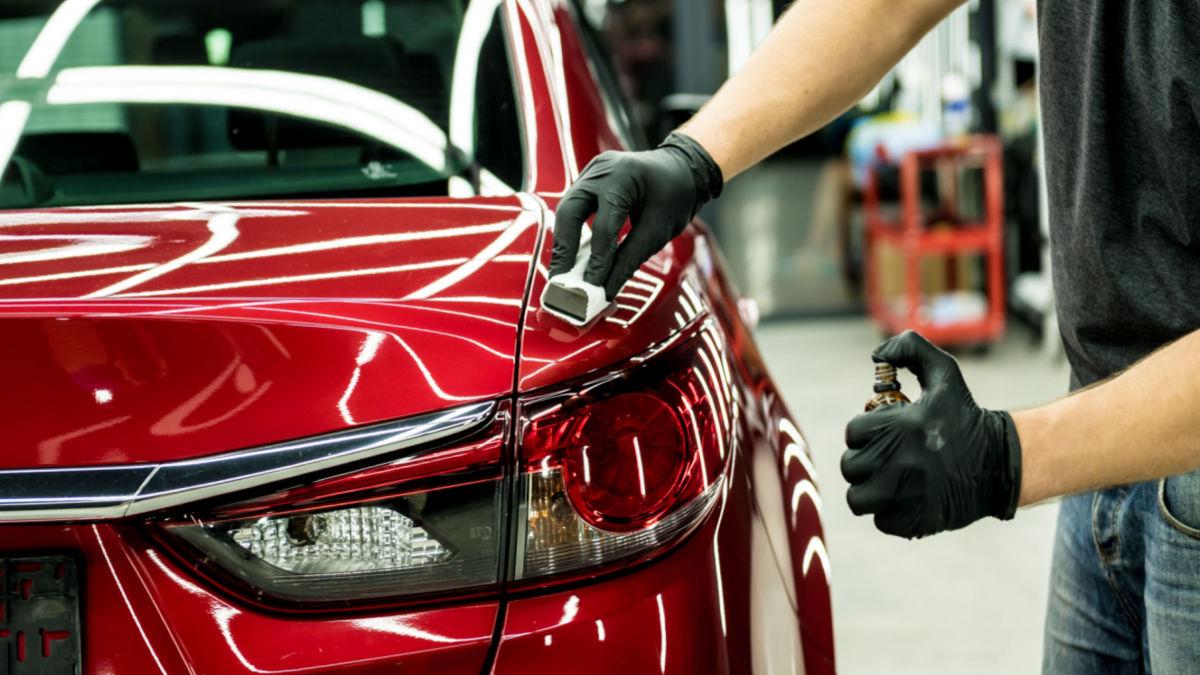
Ceramic coating has become one of the most talked-about services in car detailing, often marketed alongside striking before-and-after videos showing water beading dramatically off a glossy hood. Beyond the visual appeal, ceramic coating represents a genuine shift in how vehicle owners protect their paint, moving away from short-lived waxes toward a more durable, chemically bonded layer of protection. This article explains what ceramic coating actually is, how it works, and what owners should realistically expect from it.
Ceramic coating is a liquid polymer, typically based on silicon dioxide, that is applied by hand to a vehicle's exterior surfaces. Once cured, it forms a semi-permanent bond with the factory clear coat, creating a hard, glass-like protective layer. Unlike wax or traditional sealants, which sit on top of the paint and wear away relatively quickly, ceramic coating chemically bonds to the surface, offering protection that lasts significantly longer, frequently expressed in years as opposed to weeks or months.How Ceramic Coating Works
The active ingredients in ceramic coating cross-link with the clear coat at a molecular level during the curing process, forming a durable layer rather than simply resting on the paint's surface the way wax does.
One of the most visible effects of ceramic coating is hydrophobicity, meaning water beads up and rolls off the surface rather than spreading out. This behavior also helps carry away dirt and contaminants during rain or washing, making the surface easier to keep clean.
The cured coating adds a barrier that helps resist UV degradation, oxidation, and damage from mild chemical exposure, such as bird droppings or tree sap sitting on the paint for a period of time before being washed off.
Depending on the product and application quality, ceramic coatings can last anywhere from one to several years, far outlasting traditional wax, which typically needs reapplication every few weeks to a couple of months.
Many owners report that their paint appears noticeably deeper and glossier after coating, partly due to the coating's optical clarity and partly because it is typically applied after a paint correction process that removes swirl marks and surface imperfections.
Because dirt and grime have a harder time bonding to a coated surface, washing generally becomes quicker and requires less scrubbing, which also reduces the risk of introducing new swirl marks during regular maintenance.
While not scratch-proof, ceramic coatings do add a harder protective layer that can offer some resistance to light scratching and etching from environmental contaminants compared to bare clear coat.
Paint correction helps remove swirl marks, light scratches, oxidation, and other surface defects to restore a smoother, clearer, and more polished vehicle finish.
Despite marketing language suggesting otherwise, ceramic coating does not make paint immune to scratches, rock chips, or deep swirl marks from improper washing. It adds a layer of resistance, not invincibility.
Some owners mistakenly believe a coated car never needs washing. In reality, regular washing remains necessary to remove dirt, dust, and contaminants, even though the process becomes noticeably easier.
In general, there is a thinner, a thinner, professional, protected, protective, coating, shorter lifespan, coating details.The Application Process
Before coating is applied, the vehicle typically undergoes a thorough decontamination wash and, in many cases, paint correction to remove existing swirl marks and imperfections. Since the coating locks in whatever condition the paint is in underneath, skipping this step means sealing in existing flaws.
The ceramic product is applied in small sections using an applicator pad, then leveled and wiped away within a specific timeframe to avoid high spots or streaking.
After application, the coating requires a curing period, often 24 to 48 hours depending on the product, during which the vehicle should ideally avoid exposure to water or extreme conditions to allow the chemical bond to fully develop.
DIY Ceramic Coating is generally more affordable and accessible for owners comfortable with detailing basics, though results depend heavily on proper surface preparation and application technique, and durability is typically shorter than professional-grade options.
Professional Ceramic Coating usually involves more extensive paint correction beforehand, higher-grade coating products, and controlled application conditions, resulting in longer-lasting protection, though at a significantly higher upfront cost.
Continue regular washing using pH-neutral car soap and the two-bucket method to avoid introducing scratches.
Avoid automatic car washes with abrasive brushes, which can erode the coating over time.
Use a dedicated ceramic coating maintenance spray periodically to boost hydrophobic performance between washes.
Avoid parking under trees or in areas with heavy environmental fallout when possible, since coating reduces but does not eliminate the risk of etching from contaminants.
Monitor water beading behavior over time, as reduced beading can indicate the coating is wearing down and may need reapplication or a topper product.
For owners who want long-term paint protection, reduced maintenance effort, and enhanced gloss, ceramic coating often represents good value compared to repeatedly reapplying wax. However, it is a more significant upfront investment, particularly for professional application, and works best when paired with realistic expectations about what the coating can and cannot protect against.
Ceramic coating offers a genuine upgrade over traditional wax and sealant products, providing longer-lasting protection, easier maintenance, and enhanced gloss through a durable, chemically bonded layer. By understanding how the coating works, what it realistically protects against, and how to properly maintain it afterward, vehicle owners can make an informed decision about whether ceramic coating fits their budget and long-term care goals.
Learn more from trusted automotive care resources about surface restoration, paint protection, and long-term vehicle maintenance.