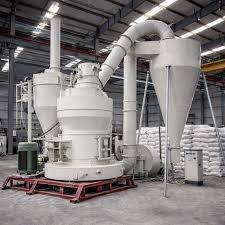
Chemical Industries in Pakistan
Chemical industries in Pakistan are the sectors that produce the raw materials and ingredients other industries need to make their products. Without chemicals, factories cannot produce textiles, medicines, fertilizers, paints, plastics, soaps, or packaged food. This is why the chemical sector is often called the backbone of manufacturing. It does not usually make the finished product that consumers buy, but it makes the essential inputs that every other factory depends on. When the chemical sector is strong, the rest of the manufacturing economy benefits. When it struggles, the effects spread across the country.
The chemical industry in Pakistan covers many product categories. It includes industrial chemicals used in processing, fertilizers for agriculture, petrochemicals that become plastics and synthetic fibers, specialty chemicals for specific manufacturing needs, and pharmaceutical ingredients for medicine production. Each of these categories serves a different set of industries, but together they form a connected network that supplies the country's factories and farms.
Why This Sector Matters to Ordinary People
Most people do not think about chemical industries when they go about their daily lives, but the sector affects almost everything they use. The fertilizer that helps grow crops comes from chemical plants. The fabric in clothing is dyed and finished with chemicals. The medicines people take are made from chemical ingredients. The paint on walls, the plastic in appliances, and the packaging on food all depend on chemical production. Even the fuel in vehicles is refined through chemical processes.
When chemical production is reliable and affordable, these everyday products remain available and reasonably priced. When chemical production falters or relies heavily on imports, costs rise and shortages can occur. This is why the health of the chemical sector matters not just to industrialists but to families across Pakistan. A strong domestic chemical industry helps keep prices stable and reduces dependence on foreign suppliers.
The Main Segments of the Industry
The chemical industry in Pakistan is made up of several main segments. The fertilizer segment is one of the largest and most important because it supports agriculture, which employs a large portion of the population. Fertilizer plants convert raw materials into the nutrients farmers need to grow crops. Without reliable fertilizer supply, crop yields fall and food prices rise.
The petrochemical segment produces plastics, synthetic fibers, and other materials used in countless products. This segment is closely linked to oil and gas, and its performance depends on the availability and cost of these inputs. The textile chemical segment supplies dyes, finishing agents, and processing chemicals to Pakistan's large textile industry, which is a major export earner. The pharmaceutical chemical segment supports medicine production, though Pakistan still imports many of the ingredients needed for drug manufacturing. Each segment faces its own challenges, but all are connected through shared infrastructure and common policy issues.
The Challenges the Sector Faces
Chemical industries in Pakistan face several challenges that limit their growth. Energy costs are a major concern because chemical production requires significant amounts of electricity and gas. When energy is expensive or unreliable, production costs rise and factories struggle to compete with imports from countries where energy is cheaper. Access to finance is another constraint, particularly for smaller companies that may lack the collateral or track record to obtain favorable loans.
Dependence on imported raw materials is a persistent issue. Many of the inputs chemical plants need are not produced domestically, so they must be imported. This exposes the sector to exchange rate fluctuations and global price changes. Regulatory processes can also be complex and time-consuming, adding to the burden on manufacturers. Environmental and safety requirements, while necessary, require investment that some firms find difficult to afford. Addressing these challenges requires coordinated effort from government, industry, and financial institutions.
The Potential for Growth
Despite these challenges, the chemical sector in Pakistan has significant potential for growth. The country has a large domestic market that creates demand for chemical products. It has natural resources, including coal, salt, and agricultural materials, that can serve as raw materials for chemical production. Its strategic location allows it to serve markets in the region. And its existing industrial base provides a foundation on which to build.
Government policies have begun to recognize this potential. There is growing emphasis on reducing import dependence and building domestic production capacity. International partnerships, particularly with China, have brought investment and technology transfer in the chemical and petrochemical sectors. These developments could help Pakistan shift from importing finished chemical products to producing them locally, which would create jobs, reduce the import bill, and strengthen the overall economy.
How the Sector Connects to Other Industries
The chemical industry does not operate in isolation. It is connected to agriculture through fertilizers and pesticides, to textiles through dyes and finishing agents, to healthcare through pharmaceutical ingredients, to construction through paints and sealants, and to consumer goods through plastics and packaging. When the chemical sector performs well, these connected industries benefit from reliable supply and predictable costs. When the chemical sector struggles, the effects ripple outward.
This interconnectedness means that policies affecting the chemical industry have consequences far beyond the sector itself. Energy policies, trade regulations, tax structures, and investment incentives all shape how chemical producers operate and how competitive they can be. For Pakistan to build a strong manufacturing economy, the chemical sector must be part of the strategy. It is not just another industry but the foundation on which other industries depend.
Looking Ahead
The future of chemical industries in Pakistan will depend on how well the sector addresses its challenges and capitalizes on its opportunities. Continued investment in production capacity, technology, and workforce skills will be essential. Stable and predictable policies will allow companies to plan and invest with confidence. Support for research and development can spur innovation and improve competitiveness. And stronger linkages between industry and educational institutions can ensure that the workforce has the skills the sector needs.
For ordinary Pakistanis, the stakes are practical. A strong chemical industry supports agriculture, healthcare, manufacturing, and exports. It helps keep everyday products affordable and available. It creates jobs and contributes to economic growth. While the sector may not be visible in daily life, its influence is everywhere. Understanding its role helps people appreciate how the economy fits together and why industrial policy matters.
 English
 Arabic
 French
 Spanish
 Portuguese
 Deutsch
 Turkish
 Dutch
 Italiano
 Russian
 Romaian
 Portuguese (Brazil)
 Greek